

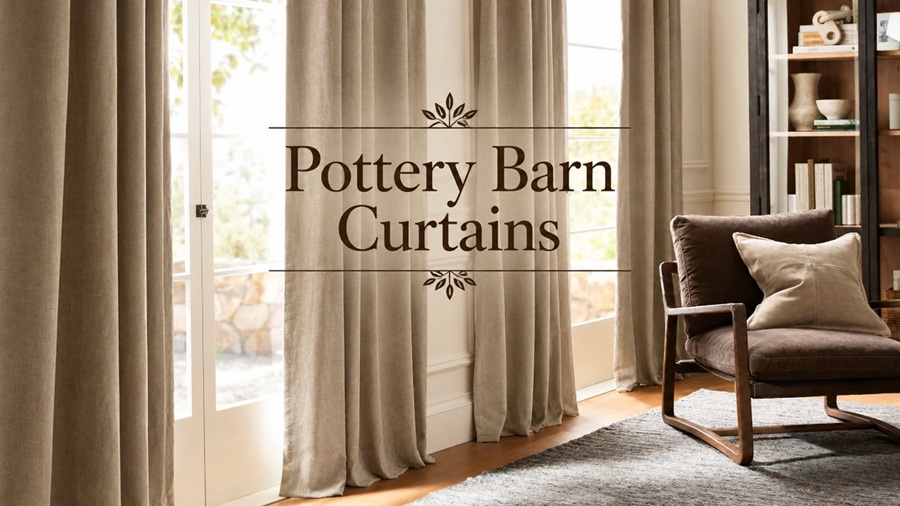
Curtains can completely change the way a room feels. They soften windows, add privacy, control natural light, and help bring the whole design together. If you are looking for window treatments that feel classic, well-made, and easy to style, Pottery Barn curtains are a popular option worth considering.
Pottery Barn is known for home furnishings with a timeless, comfortable look, and its curtains follow that same approach. The brand offers a wide range of drapes and panels in materials like linen, cotton, velvet, and blended fabrics. You can also find styles designed for specific needs, including blackout curtains, sheer panels, thermal curtains, and custom window treatments.
The right curtains depend on your room, your privacy needs, your preferred fabric, and how much light you want to let in or block out. This guide will walk you through the main Pottery Barn curtain styles, materials, features, and tips for choosing the best option for your home.
Why Choose Pottery Barn Curtains?
Pottery Barn curtains are popular because they combine style with practical function. Many of their designs have a clean, classic look that works with different interiors, from traditional and farmhouse to coastal, modern, and transitional spaces.
They are often chosen for rooms where homeowners want window treatments that feel more elevated than basic curtains but still easy to live with. Depending on the product, you may find features such as blackout lining, thermal insulation, machine-washable fabrics, multiple hanging methods, and custom sizing.
Another reason people like Pottery Barn curtains is their versatility. You can find simple neutral panels for a calm, understated room or richer fabrics and colors for a more dramatic look. Whether you are decorating a bedroom, living room, dining area, nursery, or home office, there is usually a curtain style that fits the space.
Popular Pottery Barn Curtain Materials
The material you choose will affect how your curtains look, hang, and perform. Some fabrics feel light and airy, while others add weight, warmth, and privacy. Here are some of the most common materials you will find in Pottery Barn curtains.
Linen Curtains
Linen is one of the most popular choices for Pottery Barn curtains, especially Belgian flax linen. It has a natural, relaxed texture that gives a room an effortless and airy feel. Linen curtains work beautifully in living rooms, bedrooms, dining rooms, and casual spaces where you want softness without making the room feel heavy.
Linen allows some light to pass through, depending on the weave and lining. Unlined linen creates a breezy look, while lined linen offers more privacy and structure. If your style leans coastal, organic, farmhouse, or relaxed traditional, linen is a strong choice.
Cotton Curtains
Cotton curtains are soft, versatile, and easy to work into many rooms. They tend to feel more casual than velvet and less textured than linen, making them a good middle-ground option.
Pottery Barn cotton curtains may come in solid colors, subtle prints, or textured finishes. They are a practical choice for family rooms, bedrooms, kids’ rooms, and spaces where you want comfort and simplicity. Some cotton panels may also be machine washable, depending on the design, which makes them easier to maintain.
Velvet Curtains
Velvet curtains create a richer, more dramatic look. They add depth, texture, and a sense of luxury to a room. Because velvet is heavier than linen or cotton, it also hangs beautifully and can make a space feel warmer and more finished.
Pottery Barn velvet curtains are often used in bedrooms, formal living rooms, dining rooms, and cozy spaces where you want a more elegant effect. They also work well when you want curtains to be a design feature rather than a quiet background element.
Velvet is especially useful in colder months or rooms that need a little extra softness and insulation. However, it may require more careful maintenance than lighter fabrics, so always check the care instructions before buying.
Polyester and Blended Fabrics
Some Pottery Barn curtains include polyester or fabric blends. These materials can add durability, wrinkle resistance, and easier care. Blended curtains are often a practical option for busy households or rooms that get frequent use.
While natural fabrics like linen and cotton are loved for their texture, blends can be useful when you want curtains that hold their shape well and are easier to maintain over time.
Main Curtain Styles and Functions
When choosing Pottery Barn curtains, think first about what you need them to do. Are you trying to block sunlight, add privacy, soften a room, or improve insulation? The function should guide your choice.
Blackout Curtains
Blackout curtains are designed to block most outside light. They are ideal for bedrooms, nurseries, media rooms, or any space where darkness and privacy are important.
Pottery Barn blackout curtains often include a special lining that helps reduce light coming through the window. This can make it easier to sleep, watch TV, or create a more private setting at night. They may also help reduce heat from direct sun, depending on the fabric and construction.
Choose blackout curtains if your room faces a street, receives strong morning or afternoon sun, or needs better privacy.
Sheer Curtains
Sheer curtains are light, soft, and decorative. They filter sunlight rather than block it, giving a room a bright and airy feeling. Sheers are a good choice when you want to soften a window without making the space feel closed off.
They work especially well in living rooms, dining rooms, sunrooms, and spaces where privacy is less of a concern during the day. Keep in mind that sheers usually do not provide full privacy at night when lights are on inside.
For more flexibility, you can layer sheer curtains with heavier drapes. This gives you soft daylight when the sheers are closed and more privacy when the heavier panels are drawn.
Thermal Curtains
Thermal curtains help insulate a room by reducing heat transfer through the windows. They can help keep a room warmer in winter and cooler in summer, making them a practical option for drafty windows or rooms that receive strong sunlight.
Pottery Barn thermal curtains are a good choice for bedrooms, living rooms, and spaces where comfort and energy efficiency matter. They are especially helpful if you want curtains that do more than simply decorate the window.
Custom Curtains
Custom curtains are useful when you have unusual window sizes, very tall ceilings, or a specific design vision. Pottery Barn’s custom options may allow you to choose the fabric, size, lining, and hanging style.
Custom curtains usually cost more than ready-made panels, but they can create a more tailored and polished look. If your windows are difficult to fit or you want a designer-level finish, custom curtains may be worth the investment.
Features to Look For
Pottery Barn curtains often include features that make them more functional for everyday use. These details can vary by product, so it is always best to check the current product description before purchasing.
Some helpful features include:
- Blackout lining for better light control
- Thermal lining for added insulation
- Machine-washable fabrics for easier care
- Multiple hanging options, such as rod pocket, back tabs, or curtain rings
- Custom sizing for a more tailored fit
- A range of colors, from soft neutrals to deeper statement shades
These practical details can make a big difference, especially if the curtains will be used daily.
How to Choose the Right Pottery Barn Curtains
Start by considering the room. A bedroom usually needs more privacy and light control, so blackout or lined curtains may be the best choice. A living room may benefit from linen or sheer panels that let in natural light while softening the space. A dining room may look beautiful with velvet or textured curtains that add warmth and elegance.
Next, think about your style. If you prefer a calm and timeless look, choose neutral colors like white, ivory, beige, gray, or taupe. These shades are easy to decorate around and tend to age well. If you want the curtains to stand out, consider deeper colors such as navy, charcoal, olive, rust, or rich jewel tones.
Size is also important. Curtains should usually be wider than the window so they look full when closed. For length, floor-length curtains often create the most polished look. Hanging curtains higher and wider than the window can also make the room feel taller and more spacious.
Finally, think about maintenance. If you have children, pets, or high-traffic areas, machine-washable or easy-care fabrics may be more practical than delicate materials.
Styling Tips for a Finished Look
How you hang your curtains can be just as important as the curtains themselves. For a more elevated look, mount the curtain rod several inches above the window frame and extend it beyond the sides of the window. This makes the window appear larger and allows more natural light in when the curtains are open.
Let the panels reach the floor for a clean, finished appearance. Curtains that stop too short can make a room feel unfinished. Depending on your style, the fabric can just touch the floor, slightly break at the floor, or puddle for a more romantic look.
Hardware also matters. Choose curtain rods and rings that complement the room’s finishes, such as black, brass, bronze, or polished nickel. Coordinating the hardware with lighting, furniture, or door handles can help the room feel more intentional.
For flexible light control, consider layering. Sheers paired with heavier drapes are both practical and stylish, especially in bedrooms and living rooms.
Frequently Asked Questions
Are Pottery Barn curtains good quality?
Pottery Barn curtains are generally known for their quality materials, classic designs, and useful features. Many options include details such as blackout lining, thermal insulation, washable fabrics, and multiple hanging styles.
What materials do Pottery Barn curtains come in?
Pottery Barn curtains are available in materials such as linen, Belgian flax linen, cotton, velvet, polyester, and fabric blends. Each material offers a different look, weight, and level of light control.
Does Pottery Barn sell blackout curtains?
Yes, Pottery Barn offers blackout curtains and drapes. These are a good choice for bedrooms, nurseries, media rooms, and spaces where privacy and darkness are important.
How do I choose the right curtain size?
Measure the width and height of your window carefully. For a fuller look, choose curtain panels that are wider than the window. For a polished result, select a length that reaches the floor and hang the rod higher than the window frame.
Final Thoughts
Pottery Barn curtains are a strong choice if you want window treatments that feel stylish, practical, and timeless. With options in linen, cotton, velvet, blackout, sheer, thermal, and custom designs, there is something for nearly every room and need.
To choose the right curtains, focus first on function, then material, color, size, and care. Since collections, prices, and availability can change, always check Pottery Barn’s current offerings before making a final decision. With the right choice, your curtains can add comfort, privacy, and a beautifully finished look to your home.