

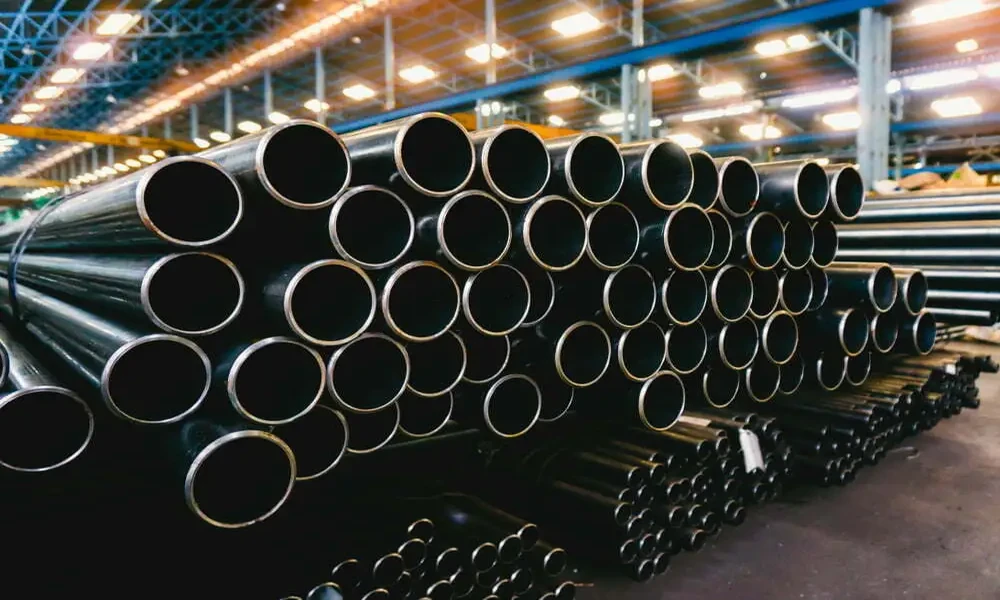
Steel pipe might just be the most versatile backbone of construction and infrastructure projects in Montreal. Yet, not all steel pipe is created equal, and the choice between new and surplus materials can have a profound impact on your project’s budget, sustainability, and timeline. So why are more specifiers and contractors choosing surplus steel pipe, especially when reliable sources are available right in the heart of the city?
Why Consider Surplus Steel Pipe?
Contractors rarely have the luxury of unlimited budgets or endless lead times. Surplus steel pipe offers a practical solution, blending cost savings with immediate availability. Rather than waiting weeks for custom orders, surplus inventory from local suppliers provides a deep bench of diameters, wall thicknesses, and grades ready to meet project requirements on the spot.
Economic Advantages Over New Materials
The price gap is significant. New steel pipe prices are subject to international steel markets and manufacturing backlogs. Surplus pipe, by contrast, is typically acquired from overruns, cancelled projects, or excess inventory. This means material can be purchased at a fraction of the cost, often translating into double-digit savings without cutting corners on performance.
Environmental Impact and Sustainability Benefits
Using surplus steel pipe diverts usable materials from potential waste streams and requires no new raw resource extraction or high-energy manufacturing. Every ton of steel repurposed saves close to 1.5 tons of iron ore and nearly a ton of coal. In an era of green building mandates and carbon-conscious construction, surplus pipe is a straightforward way to lower a project’s environmental footprint.
Availability and Stock Variety in Local Markets
Montreal’s established dealers maintain inventories that shift with local demand. This means builders can find everything from seamless and welded pipe to heavy wall piling and specialized casing, all in one place. With local yards like Stealth Pipe and Steel Montreal, contractors have instant access to a rotating stock of new, surplus, and used options, often cut and prepped to order.
Comparing Surplus Steel Pipe with New Steel Pipe
The decision to use surplus or new steel pipe comes down to more than cost. Quality, certification, and service all matter.
Quality and Structural Integrity: Myths vs. Reality
It is a misconception that surplus means inferior. Reputable suppliers inspect, grade, and sort surplus pipe for structural integrity. For many structural, piling, and mechanical applications, surplus materials offer equivalent performance to new stock, provided the source is credible and materials are properly evaluated.
Price Differences and Cost Efficiency
A side-by-side comparison highlights the economic divide:
| Material Type | Typical Price per Foot | Lead Time | Inspection/Grading |
|——————–|———————–|———————|————————————-|
| New Steel Pipe | High | Weeks/Months | Mill certification |
| Surplus Steel Pipe | 30-60% less | Immediate/1-3 days | Supplier-graded, with site testing |
Warranty and Certification Considerations
New steel pipe may come with mill certificates and warranties, which can be essential for certain regulated applications. Surplus pipe, while not always accompanied by original mill documents, is often graded and sometimes certified by suppliers for specific uses, especially when sourced from a reputable local yard.
Practical Applications: When Does Surplus Steel Pipe Make Sense?
Construction and Structural Projects
For building columns, railings, framing, or fencing, surplus pipe matches required specs at a lower cost. Fabricators appreciate the flexibility in sizing and the ability to buy cut-to-length.
Infrastructure: Piling, Drainage, and Roadwork
Heavy wall surplus pipe is ideal for foundations, micro-piling, and large-diameter drainage. The ready availability of diverse stock ensures that municipal and civil projects see fewer delays.
Agricultural and Fabrication Uses
From water wells to custom frames and equipment, surplus pipe supports rural and industrial projects without breaking the bank.
Risks and Limitations of Using Surplus Steel Pipe
No solution is without drawbacks. Surplus steel pipe must be inspected for:
– Hidden defects, corrosion, or out-of-tolerance wear
– Compatibility with specific project codes or engineering specs
– Regulatory compliance and the need for third-party inspection
In regulated or high-pressure applications, new pipe may be the only acceptable choice.
How to Evaluate and Source Surplus Steel Pipe
Start by confirming grades, wall thickness, and diameters. Visit suppliers with high turnover, fresh stock usually means better condition and variety. Seek out value-added services such as cutting, beveling, threading, or welding, as these can save time and reduce error at the jobsite.
Case Studies: Success Stories Using Surplus Steel Pipe
Montreal contractors routinely cut foundation costs by sourcing surplus piling pipe locally. One large infrastructure project reduced its overall steel budget by 40% by substituting surplus where allowable, while a major fabricator slashed lead times and carbon footprint for a municipal railing job by using surplus stock.
Making the Decision: Surplus vs. New Steel Pipe
Determine your project’s risk tolerance and regulatory requirements. For most structural, piling, or fabrication applications, surplus pipe offers outstanding value. Balance price, quality, and sustainability, and always source from trusted suppliers who inspect and stand behind their stock.
For those looking to maximize efficiency and reduce waste, consult local experts such as Stealth Pipe and Steel Montreal. The right supplier provides both peace of mind and strategic advantage, ensuring every pipe you purchase is fit for purpose, and for progress.