

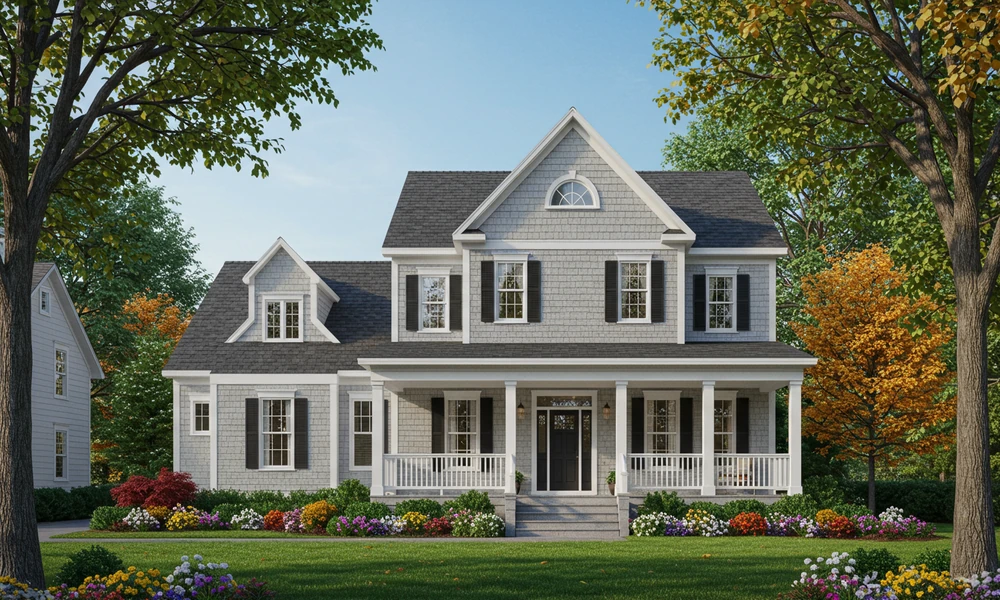
Buying a newly built property can be an exciting opportunity, especially for buyers who want modern features, updated designs, and fewer immediate maintenance concerns. Among the options available in today’s housing market, spec homes have become an attractive choice for people who prefer a completed or nearly completed property instead of waiting for a home to be built from the ground up.
However, not every newly constructed property offers the same level of quality, comfort, or long-term value. Before purchasing, buyers should understand which features matter most. From the floor plan and construction materials to energy efficiency and location, several factors can influence whether a property is a smart investment.
What Are Spec Homes?
Spec homes are properties constructed by builders without having a specific buyer already committed to the purchase. Builders typically select the floor plan, materials, finishes, and features based on what they believe will appeal to the local market.
Because many of these properties are already completed or well into construction, buyers can often see exactly what they are getting. This can make the purchasing process more straightforward compared with designing a completely custom home.
The advantage is convenience, but buyers still need to evaluate the property carefully. A beautiful appearance is important, but structural quality, functionality, and long-term performance should also influence the decision.
A Practical and Functional Floor Plan
One of the first features to evaluate is the floor plan. A property should not only look attractive but also provide a layout that works well for everyday living.
Look at how the kitchen connects with dining and living areas, whether bedrooms provide enough privacy, and whether hallways or unused spaces take up unnecessary square footage. Open-concept designs can create a spacious atmosphere, while strategically separated rooms may provide better privacy.
Storage should also be considered. Walk-in closets, kitchen cabinets, linen closets, garages, and dedicated storage areas can make a significant difference over time.
Quality Construction Materials
The materials used to construct a home affect its appearance, durability, maintenance requirements, and overall value. When reviewing spec homes, buyers should ask what materials have been used throughout the property.
Pay attention to flooring, roofing materials, windows, doors, countertops, cabinetry, insulation, and exterior finishes. High-quality materials may cost more initially, but they can offer better durability and reduce the likelihood of frequent repairs.
It is also worth asking the builder about the manufacturers and specifications of major components. Knowing what has been installed can make future maintenance and replacement easier.
Energy-Efficient Features
Energy efficiency is another important consideration when evaluating a newly built property. Modern construction can incorporate features designed to reduce energy consumption while improving indoor comfort.
Energy-efficient windows, quality insulation, efficient heating and cooling systems, LED lighting, and modern appliances can all contribute to lower operating costs. Proper insulation and sealing can also help maintain more consistent indoor temperatures.
Buyers should ask whether the property has been designed according to applicable energy-efficiency standards and whether documentation is available for major systems. These details can help determine the home’s long-term operating costs.
Modern Kitchen Features
The kitchen is often one of the most important areas in a new property. A well-designed kitchen can improve daily convenience while also contributing to the home’s future resale appeal.
Look for durable countertops, sufficient cabinet space, quality appliances, functional lighting, and an efficient work triangle between the refrigerator, sink, and cooking area. A kitchen island can provide additional preparation space and seating, but it should not make the room difficult to navigate.
Buyers should also inspect cabinet construction, drawer operation, hardware, and appliance specifications rather than focusing only on appearance.
Comfortable Bathrooms
Bathrooms deserve the same level of attention. Modern fixtures, adequate storage, good ventilation, and quality finishes can improve both comfort and durability.
Check the water pressure, drainage, shower or bathtub installation, faucets, toilets, and ventilation system. Look carefully around sinks, showers, and tubs for signs of poor finishing or moisture problems.
Even when a bathroom looks perfect, a careful inspection can identify small issues that may become more expensive later.
Windows, Doors, and Natural Light
Natural light can make a property feel larger, brighter, and more welcoming. When viewing spec homes, consider the size and placement of windows and how much daylight reaches the main living areas.
Windows should open and close smoothly and appear properly sealed. Doors should operate correctly without sticking or leaving obvious gaps.
Good windows and exterior doors can also contribute to energy efficiency by helping prevent unwanted heat transfer and drafts.
Outdoor Living and Exterior Design
The exterior of a property is more than just a visual feature. Buyers should examine siding, roofing, drainage, landscaping, driveways, patios, decks, and other outdoor elements.
Proper drainage is especially important. Water should move away from the foundation rather than collecting near the property. Buyers should also understand which landscaping elements are included in the purchase and which may require additional work.
A practical outdoor area can add usable living space and increase the property’s overall appeal.
Smart Home and Technology Features
Technology has become increasingly common in new construction. Some spec homes may include smart thermostats, security systems, connected lighting, garage controls, or other technology.
These features can improve convenience and efficiency, but buyers should understand exactly what is included. Ask whether equipment is fully installed, whether subscriptions are required, and whether the systems can be upgraded or replaced in the future.
Technology should complement the property rather than become a source of unnecessary complexity.
Financing Considerations
Before making an offer, buyers should establish a realistic budget that includes more than the property’s purchase price. Closing costs, insurance, taxes, inspections, furnishings, and potential upgrades can all affect the total cost.
Financing options should be reviewed early in the process. Resources such as builderfinance.com can help buyers and builders better understand financing considerations associated with new construction.
Understanding the financial side before committing can make it easier to determine whether a particular property fits within a comfortable budget.
Builder Reputation and Warranty Coverage
Even when a property looks excellent, the builder’s reputation matters. Buyers should research previous projects, customer experiences, construction quality, and the builder’s approach to addressing problems.
Warranty coverage is another important consideration. Ask what is covered, how long different components are protected, and how warranty claims are handled.
A clear warranty can provide additional confidence when purchasing a newly constructed property.
Professional Inspection Still Matters
A new property should not automatically be assumed to be perfect. Construction mistakes and finishing issues can occur even in recently completed homes.
Hiring an independent home inspector can help identify potential concerns with structural components, electrical systems, plumbing, HVAC equipment, roofing, insulation, and other areas.
An inspection before closing gives buyers an opportunity to understand the property’s condition and, where appropriate, request corrections before completing the purchase.
Final Thoughts
Spec homes can provide an appealing combination of modern design, convenience, and move-in readiness. However, buyers should look beyond attractive finishes when evaluating a new property.
A functional floor plan, quality construction, energy-efficient systems, durable materials, practical storage, reliable technology, and a strong warranty can all contribute to long-term satisfaction. Location and financing are equally important because a property should fit both lifestyle needs and financial goals.
By carefully examining these features and completing a professional inspection, buyers can make a more informed decision and choose a newly constructed property that offers lasting comfort and value.