Tag: outdoor living

  • Stamped Concrete Patio: Benefits, Looks, and What to Know

    Stamped Concrete Patio: Benefits, Looks, and What to Know

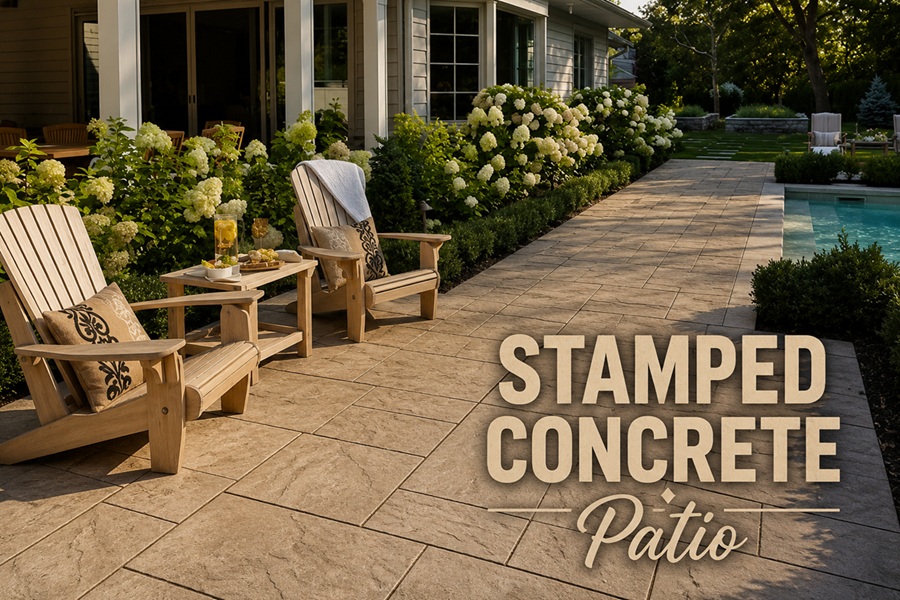
    A stamped concrete patio is a patio made of poured concrete that is imprinted, or stamped, with patterns and textures and colored to mimic the look of more expensive materials like natural stone, brick, slate, or wood, giving you a high-end appearance at a lower cost. While the concrete is still workable, installers press patterned stamps into it and add color, so the finished patio can convincingly resemble pricier paving while offering the durability and lower cost of a solid concrete surface. Stamped concrete is popular for patios because it combines beautiful, customizable looks with strength and relative affordability, though it does require proper installation and periodic sealing to stay looking its best, which is worth understanding before you choose it.

    When planning an outdoor living space, the patio surface sets the whole tone, and stamped concrete has become a favorite for achieving an upscale look without the price of natural stone or pavers. But it is worth understanding how it works and what to expect. This guide covers what a stamped concrete patio is, the looks it can achieve, its benefits and drawbacks, what affects the cost, and how to care for one, so you can decide if it is right for your yard.

    What it is Poured concrete stamped and colored with patterns
    Mimics Stone, brick, slate, wood, and more
    Main appeal High-end looks at a lower cost
    Strengths Durable, customizable, and versatile
    How it is made Patterns stamped into workable concrete
    Upkeep Periodic resealing to protect it
    Best done by Experienced professional installers
    Great for Patios, outdoor living, and hardscaping

    What Is a Stamped Concrete Patio

    A stamped concrete patio starts as a standard poured concrete slab, but instead of being left plain, it is transformed with color and texture while the concrete is still fresh and workable. Installers add color to the concrete and press patterned stamps into its surface, creating the impression of stone, brick, tile, wood planks, or other materials, complete with realistic texture.

    The result is a single, solid concrete surface that looks like it is made of a more expensive material. This is the appeal of stamped concrete: it delivers the beauty and character of high-end paving, the varied patterns and rich colors, while retaining the strength, longevity, and lower cost of concrete. It is a decorative concrete technique that has become extremely popular for patios, walkways, pool decks, and other outdoor surfaces.

    The Looks You Can Achieve

    One of the biggest draws of stamped concrete is its remarkable versatility in appearance, since the stamps and colors can imitate a wide range of materials and styles. This lets you match your patio to your home and taste.

    • Natural stone looks like flagstone, slate, and cobblestone
    • Brick patterns for a classic, traditional appeal
    • Wood plank textures for a warm, natural look without the maintenance
    • Tile and other paving patterns
    • A wide range of colors and color combinations
    • Custom borders, patterns, and designs

    The Benefits

    Stamped concrete patios offer several advantages that explain their popularity for outdoor spaces. Understanding these benefits helps you see why so many homeowners choose them.

    • High-end looks that mimic pricier materials at a lower cost
    • Great durability and strength as a solid concrete surface
    • Huge versatility in patterns, textures, and colors
    • A seamless surface without the individual joints of pavers
    • Generally lower maintenance than some alternatives, aside from resealing
    • The ability to customize the look to suit your home and yard

    The Drawbacks to Consider

    No material is perfect, and it is important to understand the potential drawbacks of stamped concrete before deciding. Like all concrete, it can crack over time due to ground movement, settling, or temperature changes, and repairing cracks so they blend invisibly can be difficult since matching the color and pattern is tricky. Stamped concrete needs to be resealed periodically to maintain its color and protection, which is ongoing upkeep. It can also be slippery when wet unless a non-slip additive is used in the sealer, and the quality depends heavily on the skill of the installer, since it is a specialized process. Weighing these considerations against the benefits helps you make an informed choice.

    What Affects the Cost

    The cost of a stamped concrete patio varies based on several factors, and understanding them helps you budget and get accurate quotes. Generally, stamped concrete costs more than plain concrete due to the added materials, labor, and skill, but less than natural stone or high-end pavers, which is a big part of its appeal.

    Factor Effect on Cost Notes
    Size of the patio Larger costs more More material and labor
    Design complexity More intricate costs more Patterns, colors, and borders
    Number of colors More can add cost Multiple colors and effects
    Site conditions Can raise cost Prep and accessibility
    Installer Skill affects price Experienced pros charge more

    Because pricing depends on your specific project and location, get quotes from experienced local installers, and confirm what each includes so you can compare fairly.

    Installation and Care

    Stamped concrete is a specialized installation best handled by experienced professionals, since the process, pouring, coloring, stamping the pattern at just the right time, and finishing, requires skill and proper timing to achieve good results. A skilled installer is key to a patio that looks great and lasts. Once installed, caring for a stamped concrete patio is fairly straightforward but does require periodic resealing to protect the color and surface and keep it looking fresh, typically every few years depending on wear and exposure. Routine cleaning, sweeping and occasional washing, keeps it looking good day to day. With quality installation and regular resealing, a stamped concrete patio can stay beautiful and durable for many years, making the modest upkeep well worth it.

    Frequently Asked Questions

    What is a stamped concrete patio?

    It is a patio made of poured concrete that is stamped with patterns and textures and colored to mimic materials like stone, brick, slate, or wood. It gives a high-end look at a lower cost while keeping the durability of a solid concrete surface.

    Is stamped concrete cheaper than pavers or stone?

    Generally yes. Stamped concrete costs more than plain concrete but typically less than natural stone or high-end pavers, which is a major reason for its popularity, since it delivers a similar upscale look for less. Actual cost depends on size, design, and location.

    Does a stamped concrete patio crack?

    Like all concrete, it can crack over time due to ground movement, settling, or temperature changes. Proper installation reduces the risk, but cracks can be hard to repair invisibly since matching the color and pattern is tricky. It is a known consideration.

    How do you maintain a stamped concrete patio?

    Keep it clean with sweeping and occasional washing, and reseal it periodically, typically every few years, to protect the color and surface. Resealing is the main upkeep, and with it a stamped concrete patio stays attractive and durable for many years.

    Stamped Concrete vs Other Patio Options

    When choosing a patio surface, it helps to see how stamped concrete compares with the main alternatives, since each has its own balance of looks, cost, and upkeep. Understanding the trade-offs makes your decision clearer.

    Compared with natural stone or high-end pavers, stamped concrete typically offers a similar upscale appearance for less money, which is its headline advantage, though genuine stone has a natural authenticity some people prefer. Against plain concrete, stamped concrete costs more but looks far more attractive and customizable, giving you decorative appeal a plain slab cannot. Compared with pavers, stamped concrete provides a seamless surface without individual joints, while pavers have the advantage that individual units can be lifted and replaced if one is damaged, whereas repairing stamped concrete invisibly is harder.

    There is no single best choice, since it depends on your budget, the look you want, and how you weigh upkeep and repairability. Stamped concrete stands out when you want a high-end, customizable appearance at a moderate cost and are comfortable with periodic resealing. Weighing it against stone, pavers, and plain concrete in light of your priorities helps you choose the patio surface that best fits your yard and budget.

    • Versus stone and pavers: a similar upscale look for less
    • Versus plain concrete: far more attractive and customizable
    • A seamless surface without the joints of pavers
    • Pavers allow easier spot repairs than stamped concrete
    • Best when you want high-end looks at a moderate cost

    Final Thoughts

    A stamped concrete patio is a smart way to get the beautiful, high-end look of stone, brick, slate, or wood at a lower cost, combining upscale style with the strength and durability of solid concrete. Its versatility in patterns and colors lets you customize the look to your home and yard, while its main considerations, the potential for cracking, the need for periodic resealing, and the importance of a skilled installer, are worth weighing. Choose an experienced professional, keep up with resealing, and a stamped concrete patio can be a stunning, long-lasting foundation for your outdoor living space.

  • Patio Umbrella With Base: How to Choose the Right Setup

    Patio Umbrella With Base: How to Choose the Right Setup

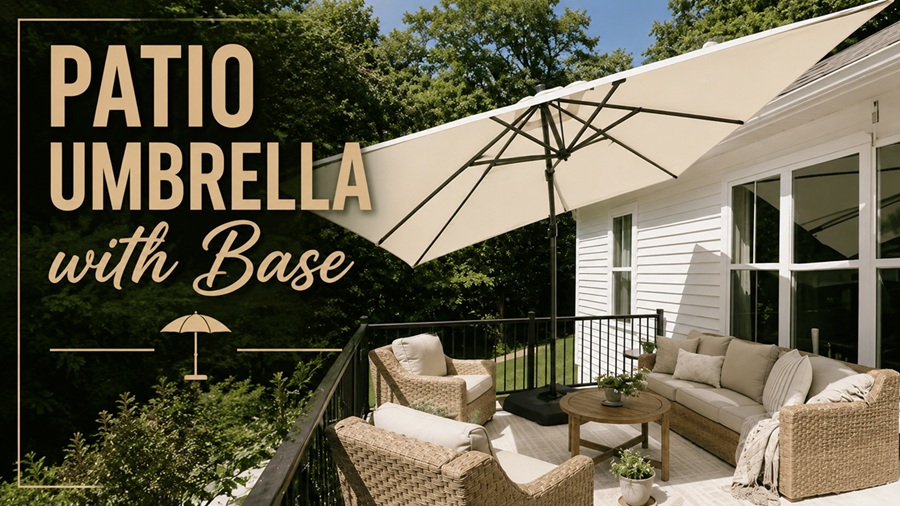
    A patio umbrella with base is a complete shade setup pairing an umbrella with a weighted stand that holds it upright and stable, and choosing well means matching a properly sized, heavy-enough base to your umbrella so it stays secure, especially in wind. The base is not an afterthought; it is what keeps the whole umbrella from tipping or blowing over, so its weight and size must suit the umbrella’s dimensions and how it is set up, whether freestanding or used with a table. Getting the right umbrella for your space and the right base to anchor it gives you reliable, safe shade for your patio, while an undersized or mismatched base is the most common reason umbrellas topple. Understanding how to pair the two is the key to a stable, lasting setup.

    A patio umbrella is one of the simplest ways to add shade and comfort to an outdoor space, but it is only as good as the base holding it up. Many people focus on the umbrella and overlook the base, then wonder why it tips in a breeze. This guide explains how to choose a patio umbrella with the right base, why base weight and size matter so much, the umbrella types available, and tips for a safe, stable, shady setup.

    What it is An umbrella paired with a weighted stand
    Base’s job Holds the umbrella upright and stable
    Key to stability A base sized and weighted for the umbrella
    Main risk Tipping or blowing over in wind
    Base weight Must suit the umbrella size and setup
    Setups Freestanding or used with a table
    Umbrella types Market, cantilever, and more
    Goal Reliable, safe shade for your patio

    Why the Base Matters So Much

    It is easy to think of the base as a minor accessory, but it is arguably the most important part of a stable patio umbrella setup. The base provides the weight and support that keep the umbrella standing upright and prevent it from tipping or blowing over, which is a real hazard given how much wind a large umbrella canopy catches. An umbrella acts like a sail, so without a heavy enough base to anchor it, even a moderate breeze can send it toppling.

    This is why a mismatched or undersized base is the single most common reason patio umbrellas fail, tipping over, damaging themselves or surroundings, and even posing a safety risk. Choosing a base that is properly sized and heavy enough for your umbrella is what makes the whole setup reliable and safe. In short, a great umbrella with an inadequate base is a poor setup, while the right base makes all the difference.

    Sizing the Base to the Umbrella

    The heart of a good setup is matching the base weight and size to your umbrella, since a larger umbrella needs a heavier base to stay stable. As a general principle, the bigger the umbrella canopy, the more base weight is required to anchor it, and manufacturers usually provide guidance on the recommended base weight for a given umbrella size.

    • Larger umbrellas require heavier bases to stay stable
    • Follow the manufacturer’s recommended base weight for your umbrella size
    • Err on the side of a heavier base, especially in breezy areas
    • A table-mounted umbrella can use a lighter base than a freestanding one
    • Freestanding umbrellas need more base weight since the base alone holds them
    • Match the base type to how you are using the umbrella

    Freestanding vs Table Setups

    How you use the umbrella affects the base you need, and there are two common setups. When an umbrella goes through a hole in a patio table, the table itself helps stabilize the umbrella, so the base primarily anchors the pole and can often be somewhat lighter, since the table shares the job. When an umbrella stands freely without a table, the base alone must hold it upright and stable, so it needs to be heavier to do the whole job. Recognizing which setup you have is important for choosing an adequate base, since a base that is fine with a supporting table may be dangerously light for the same umbrella standing on its own. Always account for whether the umbrella is table-supported or fully freestanding.

    Types of Patio Umbrellas

    Patio umbrellas come in a few main types, and the type affects both the shade it provides and the base it requires. Knowing the options helps you choose the right umbrella for your space.

    Type Description Base Consideration
    Market umbrella Classic center-pole umbrella Often used with a table or a base
    Cantilever / offset Pole to the side, canopy overhangs Needs a heavy or weighted base
    Table umbrella Fits through a patio table hole Table aids stability
    Half / wall umbrella Flat side against a wall Suited to tight spaces

    Cantilever umbrellas, which position the pole to the side so the canopy floats over your space unobstructed, are especially reliant on a very stable, heavy base or weights, since the offset design requires strong anchoring.

    Choosing the Right Umbrella

    Beyond the base, choosing the umbrella itself involves matching it to your space and needs. Consider the size of the area you want to shade, since the umbrella canopy should be large enough to cover your seating or table with some overhang. Think about the type that suits your layout, a market umbrella for a table, a cantilever to keep the pole out of the way, or a wall-style umbrella for tight spots. Look at the canopy material for durability and UV protection, and features like a tilt function to adjust for the sun’s angle and a crank or push mechanism for easy opening. Choosing an umbrella that fits your space and needs, then pairing it with an appropriate base, gives you a setup that provides great shade and lasts.

    Tips for a Safe, Stable Setup

    A few practical tips help ensure your patio umbrella stays safely upright and serves you well. Following these keeps your setup stable and prevents the common problem of a toppling umbrella.

    • Use a base heavy enough for your umbrella size, erring on the heavier side
    • Account for whether the umbrella is freestanding or supported by a table
    • Close the umbrella when it is not in use or when wind picks up
    • Never leave an open umbrella unattended in strong or gusty wind
    • Use the tilt and crank features properly to manage sun and wind
    • Store the umbrella properly in the off-season to extend its life

    Frequently Asked Questions

    What size base do I need for my patio umbrella?

    It depends on the umbrella size, with larger umbrellas needing heavier bases. Follow the manufacturer’s recommended base weight for your umbrella, and err on the heavier side, especially in windy areas or for freestanding umbrellas that the base alone must hold up.

    Why does my patio umbrella keep tipping over?

    Almost always because the base is too light or too small for the umbrella. An umbrella catches wind like a sail, so it needs a properly sized, heavy base to anchor it. Upgrading to an adequately heavy base, and closing it in wind, solves most tipping problems.

    Can I use a freestanding umbrella without a table?

    Yes, but it needs a heavier base, since without a table to help stabilize it, the base alone must hold the umbrella upright. A base that works with a supporting table may be too light for the same umbrella standing freely, so size the base for freestanding use.

    Do cantilever umbrellas need a special base?

    They need a very stable, heavy base or weights, because their offset design, with the pole to the side and the canopy overhanging, requires strong anchoring to stay upright. Cantilever umbrellas typically come with or specify a substantial base or weight system.

    What should I look for in a patio umbrella?

    Choose a canopy large enough to shade your seating or table with some overhang, a type that suits your layout, and a durable, UV-protective canopy material. Useful features include a tilt function for the sun’s angle and an easy crank or push mechanism, all paired with an adequate base.

    Final Thoughts

    A patio umbrella with the right base is the key to reliable, safe shade for your outdoor space, and the base deserves as much attention as the umbrella itself. Since the base is what keeps the umbrella from tipping or blowing over, matching its weight and size to your umbrella, and accounting for whether the umbrella is freestanding or table-supported, is essential. Choose an umbrella that fits your space and the shade you want, pair it with a properly sized, heavy-enough base, and follow safe-use habits like closing it in wind. Do that, and your patio umbrella will provide comfortable, stable shade season after season.