

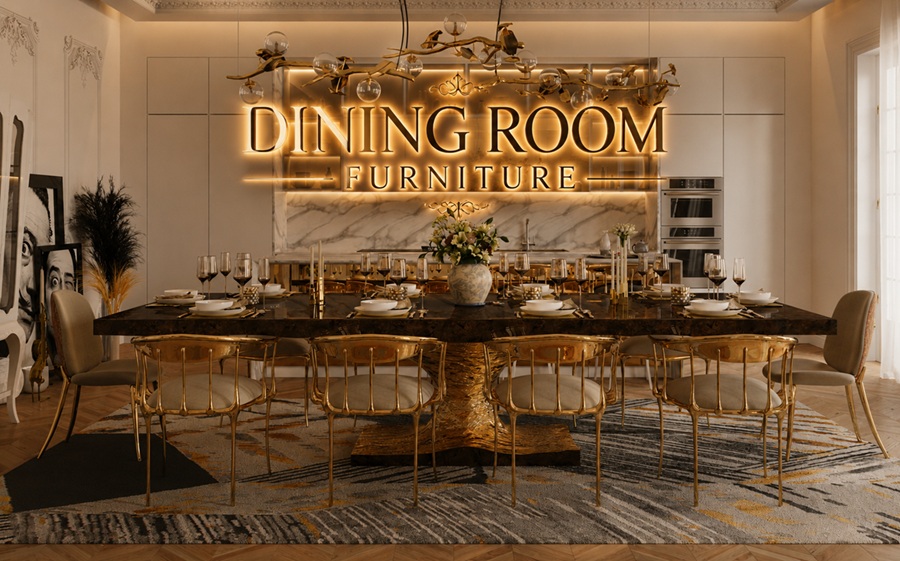
The right dining room furniture can make your dining space feel welcoming, practical, and complete. At the center of it all is the dining table, but a well-designed dining room usually includes more than just a table and chairs. Seating, storage, layout, size, and style all work together to create a room that is comfortable for everyday meals and special gatherings.
Whether you have a formal dining room, a small breakfast area, or an open-plan kitchen and dining space, choosing furniture thoughtfully will help you make the most of the room. The goal is simple: create a space where people can sit comfortably, move easily, and enjoy time together.
The Main Pieces of Dining Room Furniture
Dining room furniture usually starts with a few essential pieces. Not every dining room needs all of them, but understanding what each piece does can help you decide what works best for your space.
The most common dining room furniture pieces include:
- Dining table: The main piece and centerpiece of the room
- Dining chairs: Seating for meals, conversations, and gatherings
- Sideboard or buffet: Storage for dishes, linens, and serving pieces
- China cabinet or hutch: Storage and display for dishware or glassware
- Dining bench: A flexible seating option, often used with a table
- Bar cart or serving cart: A stylish and practical piece for entertaining
For smaller dining rooms, a table and chairs may be enough. Larger rooms can benefit from extra storage pieces that make the space more functional and visually balanced.
Choosing the Right Dining Table
The dining table is the heart of the room, so it should be chosen carefully. It needs to fit your space, seat the right number of people, and match your lifestyle.
Before choosing a table, think about how you use the dining room. Do you eat there every day? Do you host family dinners or holidays? Do you need the table to double as a workspace or homework area? These questions will help you choose a table that looks good and works for real life.
Dining Table Size
Size is one of the most important things to get right. A table that is too large can make the room feel crowded, while one that is too small may look out of place or fail to seat enough people.
Measure your dining room before shopping. Make sure there is enough space around the table for chairs to pull out and for people to walk comfortably. As a general rule, leave at least 36 inches between the table and the walls or other furniture when possible. If your room is tight, you may be able to work with slightly less, but the space should still feel easy to use.
Also think about how many people you want to seat regularly. A small round table may be perfect for two to four people, while a long rectangular table may be better for larger families or frequent entertaining.
Dining Table Shape
The shape of the table affects both the look and function of the dining room.
Rectangular tables are the most common and work well in long or larger dining rooms. They are great for seating more people and often feel traditional and practical.
Round tables are ideal for smaller rooms, square spaces, or more intimate dining. They make conversation easier because everyone faces each other. They also soften a room visually because there are no sharp corners.
Square tables work best in square rooms and are good for smaller groups. They create a balanced look but may not be the best choice if you often host many guests.
Oval tables offer the seating benefits of a rectangular table but with softer edges. They can be a good option if you want a larger table that feels less bulky.
If you entertain occasionally but do not need a large table every day, consider an extendable dining table. It gives you flexibility without taking up unnecessary space all the time.
Choosing Dining Chairs
Dining chairs are just as important as the table. They need to be comfortable, properly sized, and visually connected to the rest of the room.
Comfort should always come first. People should be able to sit through a meal without feeling stiff or unsupported. Look for chairs with a comfortable seat, good back support, and the right height for your table.
Most dining tables are around 28 to 30 inches high, and most dining chairs have a seat height of about 18 inches. This usually gives enough legroom, but it is always best to check measurements before buying.
You can choose chairs that match the table exactly, or you can create a more collected look by mixing styles. For example, a wood table can look beautiful with upholstered chairs, black chairs, or woven seating. If you mix chairs and tables, keep at least one element consistent, such as color, material, shape, or finish.
Upholstered chairs add softness and comfort, but they may require more cleaning, especially in homes with children or pets. Wood, metal, or leather chairs are often easier to wipe clean and maintain.
Dining Benches
A dining bench can be a useful alternative to chairs, especially in casual dining rooms or smaller spaces. Benches can seat more people in less space and often tuck neatly under the table when not in use.
They work especially well along one side of a rectangular table or in a breakfast nook. A bench can also make the dining room feel more relaxed and family-friendly.
However, benches are not always as comfortable for long meals because they usually do not offer back support. If comfort is a priority, consider a padded bench or use a bench on one side and chairs on the other.
Sideboards, Buffets, and Storage Pieces
Storage furniture can make a dining room more practical and polished. A sideboard or buffet provides space to store dishes, napkins, tablecloths, candles, serving platters, and other dining essentials.
It also gives you an extra surface for serving food, setting up drinks, or displaying decor. During holidays or dinner parties, this extra surface can be extremely helpful.
A sideboard is usually a low storage cabinet with drawers or doors. A buffet is similar and often used for serving. The terms are sometimes used interchangeably.
A china cabinet or hutch is taller and often includes glass-front doors for displaying dishes, glassware, or collectibles. These pieces work well in larger or more traditional dining rooms.
If your dining room is small, choose storage carefully. A slim sideboard may be more useful than a large cabinet. You want storage to help the room, not crowd it.
Matching vs. Mixing Dining Room Furniture
Many furniture stores sell complete dining sets with a table, chairs, and sometimes a matching storage piece. This can be a simple and convenient option, especially if you want a coordinated look.
However, your dining room does not have to be perfectly matched. In fact, mixing pieces often makes a room feel more personal and natural.
For example, you might pair a modern table with classic upholstered chairs, or a rustic wood table with simple black chairs. A vintage sideboard can also add character to a newer dining set.
The key is coordination, not perfect matching. Choose pieces that share a common style, color tone, material, or mood. If every piece feels completely unrelated, the room may look messy. If everything matches too closely, it may feel flat. A balanced mix usually works best.
Choosing the Right Style
Dining room furniture should fit your home’s overall style. It does not need to match every room exactly, but it should feel connected.
For a modern dining room, look for clean lines, simple shapes, and materials like wood, glass, metal, or leather.
For a farmhouse dining room, wood tables, woven textures, slipcovered chairs, and warm neutral tones work well.
For a traditional dining room, consider rich wood finishes, upholstered seating, turned legs, and classic storage pieces.
For a small or casual dining space, lighter finishes, round tables, and slim chairs can help the room feel open and comfortable.
Choose a style you will enjoy for years, especially for larger investment pieces like the table and chairs.
Think About Durability and Maintenance
Dining room furniture gets a lot of use, so durability matters. If you have children, pets, or frequent guests, choose materials that can handle spills, scratches, and everyday wear.
Solid wood tables are long-lasting and can often be refinished, but they may need care to prevent water marks and scratches. Veneer or engineered wood options can be more affordable but may not last as long.
Glass tables can make a room feel open and modern, but they show fingerprints and require frequent cleaning. Metal and stone can be durable, though they may feel colder or heavier depending on the design.
For chairs, consider how easy the fabric or material is to clean. Performance fabrics, leather, faux leather, and wipeable surfaces can be helpful in busy homes.
Plan the Layout
A beautiful dining set will not work well if the layout feels cramped. Once you know your room measurements, plan where each piece will go.
The table should be centered if possible, especially under a chandelier or pendant light. Chairs should pull out easily. Storage pieces should be placed where they are accessible but not in the way.
If the dining room connects to the kitchen or living room, leave clear pathways between spaces. In open-plan homes, a rug can help define the dining area, but make sure it is large enough for chairs to remain on the rug when pulled out.
Make the Dining Room Work for Your Life
The best dining room is one that fits your daily routine. If you host often, an extendable table and extra chairs may be worth it. If your dining room doubles as a work area, choose a table with enough surface space and durable materials. If you rarely use a formal dining room, consider making it feel more casual and flexible.
Your furniture should support how you actually live, not just how you imagine the room looking in a photo.
Final Thoughts
Dining room furniture starts with a good table and comfortable chairs, but the best spaces also consider storage, layout, size, style, and everyday function. Choose a table that fits your room and seating needs, pair it with chairs that are comfortable and well-scaled, and add storage pieces if they make the room more useful.
Most importantly, measure before you buy and think about how you will use the space. With the right dining room furniture, your dining area can become a warm, practical, and inviting place to gather for everyday meals and special occasions.