

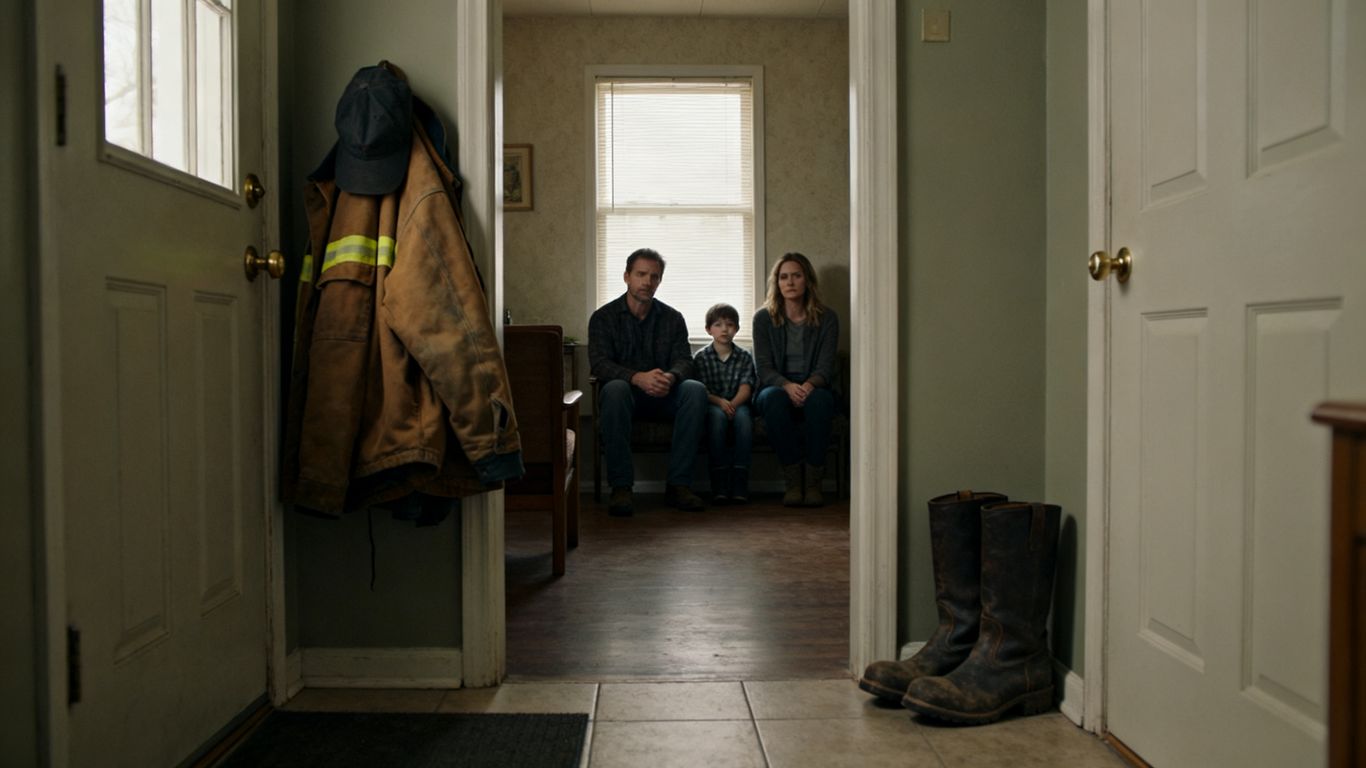
Secondhand asbestos exposure can happen when fibers travel from a place where asbestos is present into a household. A worker may carry dust on clothing or equipment without realizing it, and the fibers can then reach other people. Exposure is not always visible, and it does not require family members to work with or touch asbestos themselves. The chance and degree of exposure depend on the circumstances and how often fibers are brought into the home.
Asbestos fibers brought home on clothing, shoes, hair, or equipment
Asbestos fibers are tiny and may cling to dusty work clothes, footwear, hair, bags, or tools after a job involving asbestos-containing materials. A worker can bring them into a vehicle or home before changing or cleaning up. The presence of dust does not prove that it contains asbestos, but dust from a known or suspected asbestos task should be treated cautiously. Ordinary household observation cannot determine whether fibers are present.
How fibers can become airborne again inside the home
Fibers that settle on fabric or surfaces may be stirred up when someone handles the item or disturbs settled dust. Shaking clothing, sweeping, vacuuming, or moving equipment can spread dust rather than contain it. The route and amount of exposure vary, so it is not possible to estimate an individual household member’s exposure just by looking at a room. Avoiding disturbance is a prudent first step when contamination is suspected.
Why exposure may happen without handling asbestos directly
A family member does not need to touch asbestos-containing material to have a possible exposure. Fibers carried on a person’s clothing or belongings may transfer to furniture, floors, or other items, where they can later be disturbed. Everyday contact alone does not establish that exposure occurred; the relevant question is whether asbestos fibers were carried into the home and became airborne. Public-health information on household asbestos exposure can help families understand the range of possible exposure settings.
How repeated contact can increase potential exposure
A single uncertain event is different from a routine in which dusty work items are brought home day after day. Repeated transfer may create more opportunities for fibers to reach household surfaces or become airborne again. When reviewing a possible history, it can help to consider the pattern rather than focusing on one moment:
- How often the worker handled or worked near asbestos-containing materials
- Whether dusty clothing, footwear, or equipment came home
- Whether household members handled those items or cleaned nearby areas
- How long the routine continued and whether workplace cleanup practices changed
These details do not calculate a person’s dose, but they can give a healthcare provider or occupational-safety professional a clearer account of what may have happened.
Who may be at risk in a household
Potential household exposure depends on whether asbestos fibers were carried home and whether another person could inhale them. Partners, children, and other people sharing a home may have different patterns of contact with work clothes and household dust. The presence of a worker in a particular trade does not by itself mean that family members were exposed. Occupational history, tasks, and cleanup routines help put the possibility in context.
Partners and family members of workers in high-risk industries
Workers who handle, remove, repair, or work near asbestos-containing materials may have opportunities to carry fibers away from a job site. This has been a concern in some construction, shipyard, manufacturing, and maintenance settings, among others. Family members may have been nearby when a worker returned home or may have handled dusty belongings. Public-health exposure guidance describes occupational and household pathways without making a person’s risk certain based on job title alone.
Children exposed through a parent or caregiver’s work clothes
Children may spend time close to a parent or caregiver and may come into contact with clothing, footwear, or items brought home from work. They may also play on floors or furniture where dust has settled. These circumstances can raise a question about possible exposure, but they do not confirm that asbestos fibers were present. A child’s age at the time does not change the need to document the history and discuss concerns with a qualified healthcare provider.
Household members who handle or launder contaminated clothing
A person who sorts, shakes, or washes dusty work clothes may disturb fibers if asbestos-containing dust is present. The risk cannot be determined from the laundry task alone; it depends on whether the clothing was contaminated and how much material was carried home. If a work garment is suspected to be contaminated, avoid shaking or treating it as ordinary laundry until the employer’s safety procedures or qualified advice are clear. A household should not improvise cleanup methods that could spread dust.
Families living near asbestos-related workplaces or activities
Living near an industrial site or work activity is not the same exposure pathway as fibers carried home on a worker’s clothing. In some circumstances, asbestos-containing dust may reach nearby areas, but whether that occurred depends on the source, material, and conditions. Families with concerns about a nearby site can seek information from local public-health or environmental agencies. They should avoid entering work areas or disturbing unknown debris while seeking answers.
Health risks linked to asbestos exposure
Inhaling asbestos fibers can lead to serious diseases, sometimes after a long delay. A possible household exposure does not mean that anyone will become ill, and a person’s risk cannot be judged from exposure history alone. The type of contact, its intensity and duration, and other health factors matter. Because these illnesses may have other causes as well, medical evaluation is needed to assess symptoms.
Mesothelioma and its connection to asbestos
Mesothelioma is a cancer that affects the lining around certain organs, most often the lungs. Asbestos exposure is a recognized cause, and disease can develop long after exposure has ended. A history of possible secondhand contact may be relevant to a clinician, even when the person did not work with asbestos directly. It is one part of a medical history, not a diagnosis or prediction.
Lung cancer and other asbestos-related cancers
Asbestos exposure is also associated with lung cancer. The likelihood of disease can be affected by several factors, including the amount and duration of exposure and a person’s smoking history. Other cancers have also been studied in relation to asbestos, but an individual diagnosis cannot be attributed to a past household event without medical assessment. A clinician can consider the complete health and exposure history.
Asbestosis and other noncancerous lung conditions
Asbestosis is a chronic lung disease involving scarring after inhaled asbestos fibers damage lung tissue. It may cause breathing problems that develop over time. The asbestosis information explains common features of the condition, but symptoms such as breathlessness can also have many other causes. Only a healthcare professional can evaluate what is causing a person’s symptoms.
How exposure level and duration affect risk
In general, risk is influenced by how much asbestos a person inhaled and for how long, though a household history rarely provides enough information to calculate an exact exposure. Repeated contact may create more opportunities for exposure than an isolated event, but it does not establish that disease will occur. There is also no simple symptom, household test, or job title that can settle the question. A careful exposure history is more useful than guesswork when discussing next steps with a provider.
Signs, symptoms, and when they may appear
Asbestos-related diseases can be difficult to connect to a past exposure because they may not appear until many years later. Symptoms are often shared with common conditions, so they cannot identify asbestos as the cause on their own. People with a possible exposure history should not wait for symptoms before recording relevant details. New or persistent breathing problems deserve medical attention regardless of their suspected cause.
Why asbestos-related diseases can take decades to develop
There can be a long interval between asbestos exposure and the appearance of disease. As a result, a person may need to recall work and household circumstances from many years earlier. The delay also means that an absence of symptoms soon after a possible exposure does not answer whether fibers were inhaled. Written records and family recollections can help preserve details that might otherwise be forgotten.
Possible symptoms of mesothelioma and lung cancer
Symptoms can include shortness of breath, persistent cough, chest discomfort, fatigue, or unexplained weight loss. These signs are not specific to mesothelioma or lung cancer and may arise from other illnesses. A person experiencing persistent, worsening, or concerning symptoms should speak with a healthcare provider rather than trying to determine the cause at home. Mentioning possible asbestos exposure can help the provider decide what evaluation is appropriate.
Possible symptoms of asbestosis
Asbestosis may involve increasing shortness of breath, a persistent cough, or reduced ability to tolerate physical activity. Symptoms may develop gradually and can overlap with other lung or heart conditions. A clinician will consider the person’s history and examination rather than relying on one symptom. Anyone with significant or worsening difficulty breathing should seek prompt medical care.
Why symptoms alone cannot confirm an asbestos-related disease
Cough, chest pain, fatigue, and breathlessness have many possible explanations. Even a person with a known work or household history cannot diagnose an asbestos-related illness based on symptoms alone. A provider can assess the history, perform an examination, and decide whether further testing is warranted. Seeking care is useful for understanding the symptom, not for assuming a particular diagnosis.
What to do after a possible household exposure
A possible exposure can be unsettling, especially when it may have happened years earlier. The first steps are to avoid creating more dust, record what is known, and discuss the circumstances with an appropriate professional. Families should not attempt to confirm asbestos by disturbing material or relying on appearance. There may be no single test that can reconstruct a past exposure, but a clear history can guide practical decisions.
Documenting a family member’s work and exposure history
Record the worker’s job sites, tasks, dates, materials handled, and any routine for changing or cleaning up before coming home. Note whether work clothing or equipment was brought into the house and who handled it. Include what is uncertain; a careful account should distinguish remembered facts from estimates. Employment records or safety documentation may help fill gaps if they are available.
Sharing exposure concerns with a healthcare provider
A person with concerns can tell a healthcare provider who may have encountered asbestos, when the work occurred, and how fibers could have reached the home. The provider can consider that information alongside current symptoms, medical history, and other risk factors. A possible exposure alone does not necessarily call for the same follow-up for everyone. The clinician can explain whether monitoring or further evaluation makes sense in that individual situation.
Understanding screening and diagnostic tests
Screening is intended to look for disease in people who may not have symptoms, while diagnostic tests investigate a specific concern or symptom. Whether either is appropriate depends on personal history and clinical guidance; there is no universal test that can determine the exact amount of asbestos someone inhaled in the past. Imaging or other tests may be considered by a clinician, but they have limits and should be interpreted in context. A provider can explain the benefits and drawbacks before any testing is pursued.
Avoiding disturbance of suspected asbestos-containing materials
If a home contains a material that may have asbestos, it is safest not to cut, sand, drill, scrape, or break it. Material in good condition may not release fibers unless it is disturbed, but its composition cannot be confirmed just by looking. Avoid do-it-yourself sampling or cleanup if that could create dust. A qualified asbestos professional or relevant local authority can advise on assessment and appropriate handling.
Reducing the risk of bringing asbestos home
Workplace controls are the main way to limit fibers leaving a job site. Workers and employers should follow applicable safety procedures for the materials and tasks involved, rather than relying on household cleanup to solve a workplace problem. Families can ask about the employer’s established process if work may involve asbestos. Prevention steps should be guided by workplace safety professionals and local requirements.
Workplace practices that help limit fiber transfer
Appropriate controls depend on the task, but may include keeping work areas contained and using designated cleanup and changing areas. Workers should follow site procedures and avoid carrying dusty tools or clothing into personal vehicles or living spaces. Household members should not be asked to manage contamination without clear instructions. If the work process is unclear, the worker can raise the concern with a supervisor or workplace safety contact.
Changing clothes and showering before returning home
Where workplace procedures call for it, changing clothes and showering before leaving the worksite can help reduce the chance of carrying dust away. Those steps should take place in designated areas and follow the employer’s instructions, not be improvised at home. Workers should not brush or shake dusty garments to remove visible residue. Workplace personnel can clarify what facilities and procedures are available for the specific job.
Handling and laundering work clothes safely
Work clothes that may be contaminated should be handled according to employer safety procedures, not mixed automatically with household laundry. Avoid shaking them or carrying them loose through the home. If potentially contaminated clothing has already arrived home, keep others from handling it and contact the employer or a qualified professional for instructions before cleaning it. Appropriate handling depends on the specific material and circumstances.
Following employer procedures for protective equipment and cleanup
Protective equipment, cleanup, and disposal procedures should match the job and applicable safety rules. Workers should use designated equipment and follow instructions for its removal, storage, or disposal rather than bringing it home. An employer’s safety contact can explain the required process and address concerns about a past task. Consistent workplace practices are more dependable than asking family members to identify or remove asbestos dust themselves.